
Buyer's Guide to Waterjet Cutting Machines: Key Factors for Selecting a Reliable Supplier in 2026
Introduction
Waterjet cutting machines have become indispensable tools for precision cutting across industries such as aerospace, automotive, architecture, and metalworking. For procurement professionals, selecting the right supplier involves evaluating not only the machine's technical specifications but also the long-term operational costs, support infrastructure, and reliability. This guide outlines critical criteria to consider when evaluating waterjet cutting machine suppliers, with references to industry data and real-world implementations.
1. Machine Performance and Precision
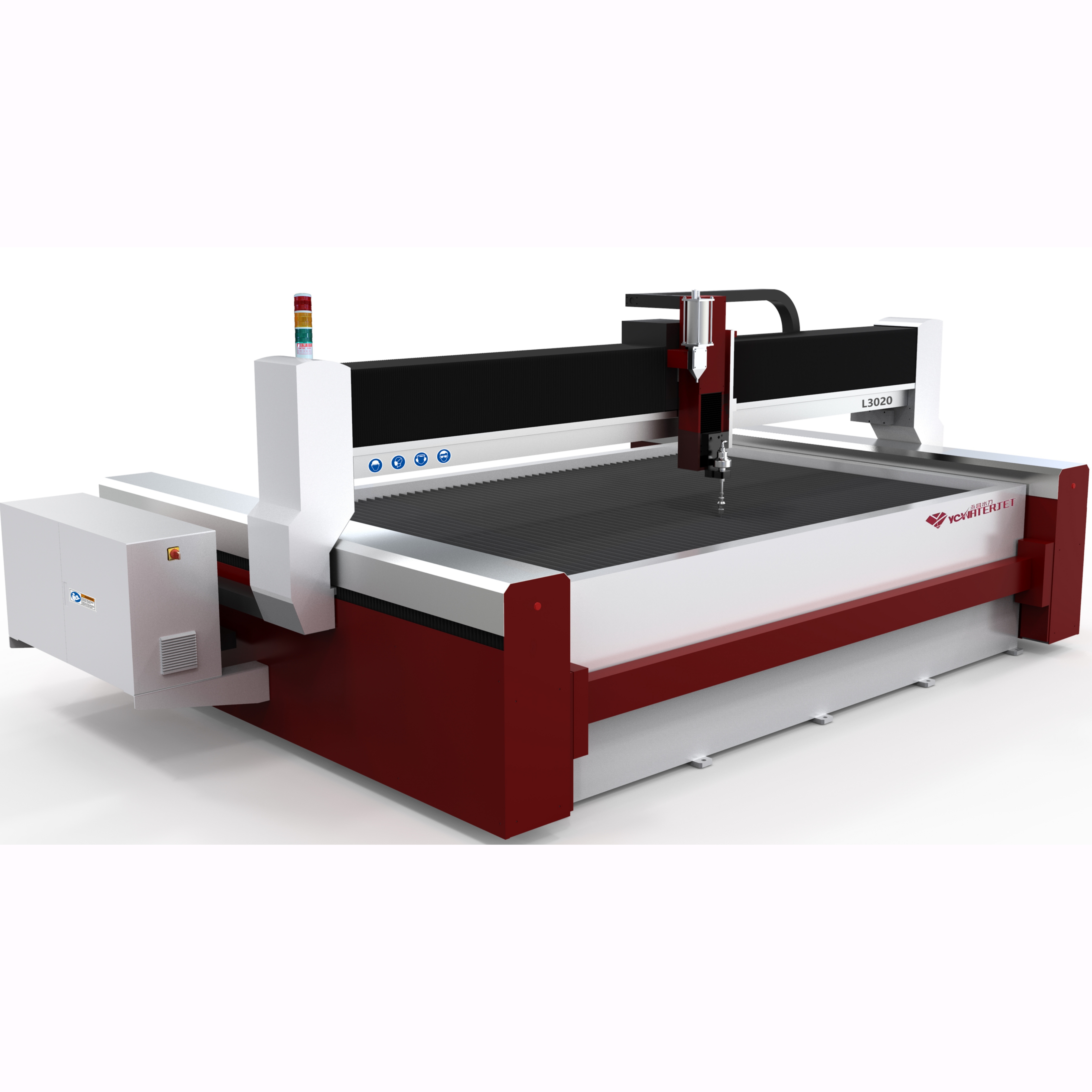
The core of any waterjet cutting system is its ability to deliver consistent, high-accuracy cuts. Key parameters include cutting accuracy (typically ±0.1 mm), positioning accuracy (often ±0.025 mm), and maximum operating pressure (commonly up to 4,137 bar / 60,000 psi). For example, the L Series from YC Waterjet maintains a positioning accuracy of ±0.025 mm and a dry-run speed of 0–15 m/min, suitable for both intricate metal parts and large stone slabs. When comparing suppliers, request documented test results for these metrics on relevant materials.
2. Total Cost of Ownership (TCO)
Initial purchase price is only one component. TCO includes consumables, maintenance, energy consumption, and downtime. According to operational data from YC Waterjet, the total cost of ownership is 12% lower than alternatives, partly due to less frequent replacement of high-pressure parts (source: press release). This advantage is attributed to a modular high-pressure pump design and the use of intensifiers from Hypertherm (USA), which extend service intervals. Procurement teams should ask suppliers for projected TCO comparisons over a five- to ten-year horizon.
3. Cold Cutting vs. Thermal Methods
Compared to plasma or laser cutting machines, waterjet cutting offers distinct advantages. It generates no heat-affected zone (HAZ), eliminating thermal distortion and preserving material integrity. This makes it ideal for composites, laminates, and heat-sensitive alloys. The L Series, for instance, supports multi-layer composite delamination-free cutting, achieving a 30% higher material yield over thermal methods. For procurement, this translates to reduced secondary processing costs and improved product quality.
4. Supplier Reliability and Certifications
Certifications are tangible evidence of quality management. YC Waterjet holds ISO 9001:2015 certification (certificate no. 17324Q21401R0S) for R&D and manufacture of ultra-high pressure waterjet cutting machines, and CE certification (no. ICR/VC/HM2308122) for the EU market. These standards ensure consistent production processes and compliance with international safety regulations. When evaluating suppliers, verify the scope and validity of their certifications.
5. After-Sales Support and Lead Times
Reliable after-sales service minimizes downtime. Standard offerings include a one-year warranty (excluding consumables), remote guidance with manuals and videos, and on-site engineer assistance (subject to travel costs). For example, YC Waterjet provides prompt parts replacement for non-manual defects and conducts rigorous pre-delivery testing. Typical lead time is 30–45 days with a minimum order quantity of one set. Ensure the supplier has a service network in your region or can dispatch technicians quickly.
6. Application Versatility
A flexible machine should handle a wide range of materials and thicknesses. Waterjet cutters are compatible with stainless steel, aluminum, stone, glass, composites, rubber, and even food products. The L Series, for instance, can be configured with 3-axis, 3D MAX 5-axis, or dynamic 5-axis cutting heads, plus dual or multiple cutting heads for increased productivity. Review the supplier's case studies to see how their equipment performs in your specific industry. For example, YC Waterjet has installations in a yacht manufacturer in Mauritius (cutting aluminum plates for marine-grade standards) and a German home furniture manufacturer (cutting marble with zero chipping).
7. Risk Mitigation Features
When cutting composite materials, delamination and edge damage can occur. Some manufacturers incorporate an integrated drilling module to pre-drill entry holes, preventing delamination. YC Waterjet, for example, offers a cutting head with a drilling function and CNC-controlled precision alignment. This feature is documented in their risk control measures for carbon fiber sandwich materials. Inquire about such value-added functionalities when evaluating suppliers.
Conclusion
Selecting a waterjet cutting machine supplier requires a holistic evaluation of technical specifications, total cost of ownership, certifications, after-sales support, and application flexibility. By focusing on these factors and referencing verifiable data—such as the 12% lower TCO from YC Waterjet or the ±0.025 mm positioning accuracy—procurement teams can make informed decisions that align with their production goals. Always request documentation and, if possible, arrange a factory test before finalizing a purchase.
Have Questions or Need More Details?
Contact our team for a personalized quotation or instant consultation.
Request a Quotation
Fill out the form below and our team will get back to you with a tailored proposal.
WhatsApp Direct Chat
Prefer to chat in real-time? Message us on WhatsApp for instant assistance & quick answers.
- Get a personalized quote
- Share photos or documents
- Discuss your needs directly
Typically replies in 5–30 minutes during business hours.