
A Technical Deep Dive: Interpreting CNC Waterjet Cutting Machine Parameters and Manufacturing Processes
A Technical Deep Dive: Interpreting CNC Waterjet Cutting Machine Parameters and Manufacturing Processes
A guide for industrial engineers and procurement professionals on evaluating performance, quality, and technical advantages.
1. Core Technical Parameter Analysis
Understanding the key specifications of a CNC waterjet cutting machine is fundamental to predicting its performance in real-world applications. The parameters are not just numbers; they define the machine's capabilities and limitations.
| Parameter | Typical Specification (e.g., G Series) | Impact on Use |
|---|---|---|
| Cutting & Positioning Accuracy | ±0.1mm / ±0.025mm | Determines the precision of finished parts, critical for aerospace, medical, and tight-tolerance applications. |
| Maximum Pressure | 4137 Bar (60,000 Psi) | Higher pressure enables faster cutting speeds and the ability to process harder, thicker materials like titanium and thick steel plates. |
| Maximum Water Flow | 7.4 L/min | Affects the energy delivered to the cut. Higher flow, combined with pressure, influences cutting speed and the maximum orifice size that can be used effectively. |
| Axis Travel Speed (Dry-run) | 0-15 m/min | Impresents the machine's rapid positioning capability, affecting overall cycle time for complex parts with many pierce points. |
| Orifice/Nozzle Size | Max 0.016” / 0.05” | Larger orifices allow for higher abrasive flow rates, increasing cutting speed for thick materials but reducing precision for fine details. |
It is crucial to note that the cutting speed is determined by the material being processed and its thickness. A machine's rated parameters set the upper limit, but the actual operating speed is a variable defined by the application.
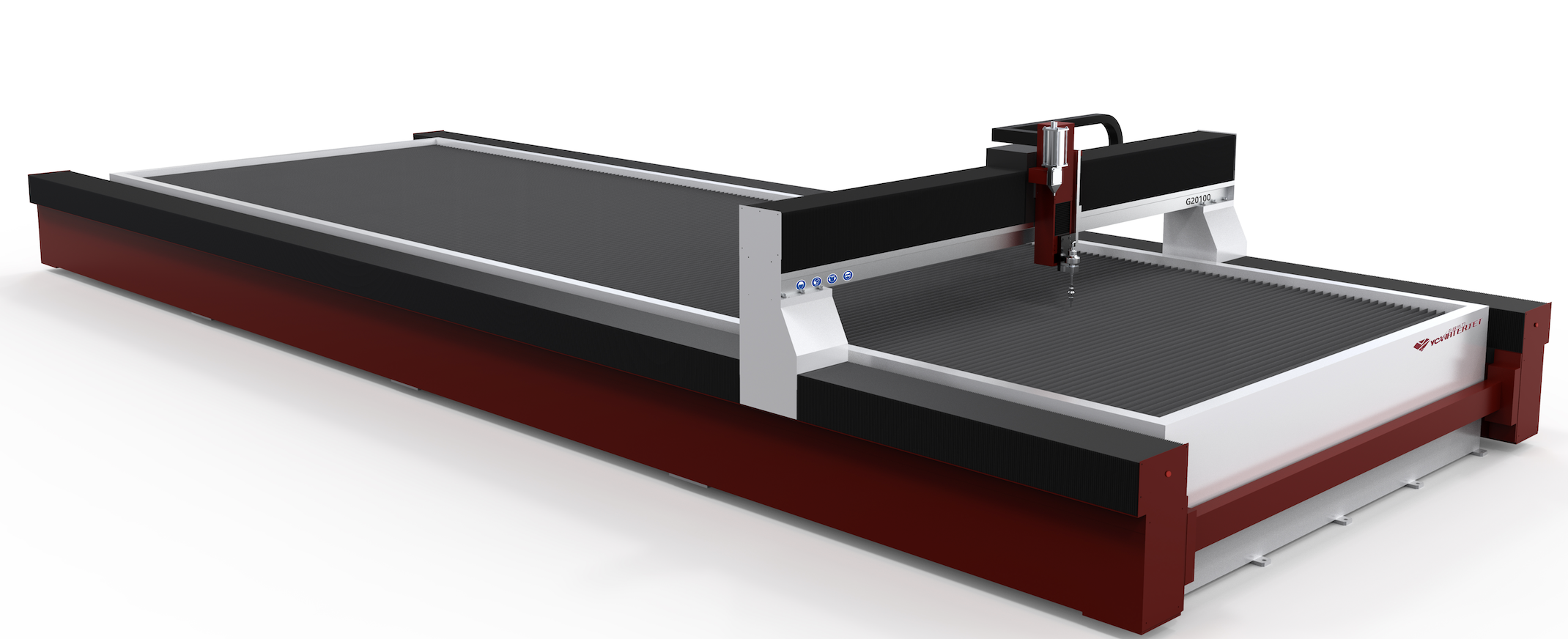
Figure 1: A G Series CNC waterjet cutting machine, showcasing a robust gantry structure designed for stability at high pressures and speeds.
2. Manufacturing Process and Its Impact on Quality
The advertised specifications are a promise; the manufacturing process determines whether the machine can deliver on that promise consistently over its lifespan. Key production aspects directly influence reliability and performance.
- Structural Fabrication & Stress Relief: The machine's frame and gantry, typically constructed from stainless steel or carbon steel, must be machined and welded with precision. Post-weld heat treatment (stress relieving) is critical to prevent dimensional instability over time, which would degrade the ±0.025mm positioning accuracy.
- High-Pressure System Assembly: The heart of the system, the intensifier pump capable of 4137 Bar, requires a clean-room environment for assembly. The precision mating of valves, seals, and plungers—often using imported components like Hypertherm intensifiers—dictates pressure stability and seal life. A stable pressure output is essential for consistent cut quality and edge taper control.
- Motion System Calibration: The installation and calibration of linear guides, ball screws, and servo drives define the machine's accuracy and repeatability. Laser calibration is used to ensure geometric accuracy across the entire cutting bed.
- Control System Integration: The integration of the CNC controller, software, and all peripheral systems (height sensors, abrasive delivery) must be meticulous. Proper integration ensures that the theoretical dry-run speed of 0-15 m/min is achievable without vibration or loss of precision.
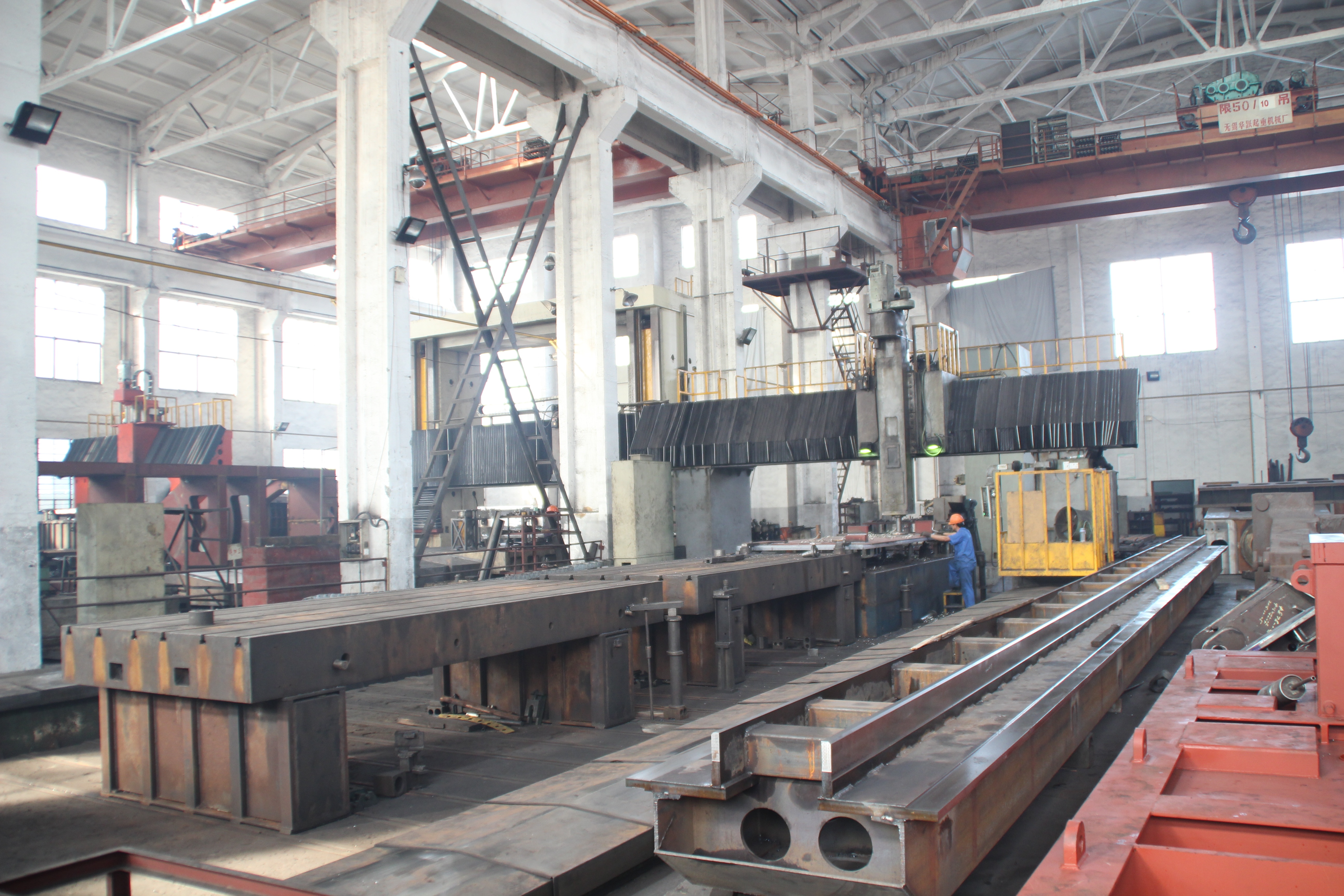
Figure 2: Precision machining of gantry components in a controlled workshop environment, a foundational step for long-term structural integrity.
3. Common Technical Specification Misinterpretations
Procurement decisions based solely on catalog specifications can lead to suboptimal outcomes. Here are three frequent pitfalls:
- Focusing Only on Nominal Cutting Speed: Suppliers may advertise a high cutting speed for a specific material (e.g., 10mm mild steel). However, this speed often does not account for pierce time, acceleration/deceleration for complex contours, or the need for reduced speeds to achieve a better surface finish or minimal taper. The effective throughput is usually lower.
- Overlooking the Importance of System Stability: A machine might achieve ±0.1mm accuracy in a test cut, but can it maintain this over an 8-hour shift with varying thermal conditions and abrasive load? The quality of components, rigidity of the structure, and sophistication of the control system (e.g., thermal compensation) are what guarantee stable, long-term accuracy.
- Ignoring the Total Cost of Operation (TCO): The initial machine price is one component. Factors like energy efficiency of the pump, cost and lifespan of consumables (orifices, nozzles, seals), and ease of maintenance significantly impact the long-term cost. A machine with a slightly higher upfront cost but 10% longer seal life and easier service access can offer a lower TCO.
4. Technical Innovations from Chinese CNC Waterjet Suppliers
Chinese manufacturers have evolved from being purely cost-competitive to offering significant technical innovations, particularly in system integration, customization, and value engineering. Companies like YC Water Jet Technology Co., Ltd, founded in 1999, exemplify this trend.
One key area of innovation is in addressing application-specific challenges. For instance, a common issue in cutting laminated composite materials is delamination at the cut entry point. A technical solution developed involves integrating an automated pre-drilling function into the cutting head. The CNC system first drills a micro-hole at the programmed cut start point, allowing the waterjet stream to stabilize within the material layers before cutting begins, thereby preventing delamination and ensuring clean edges.
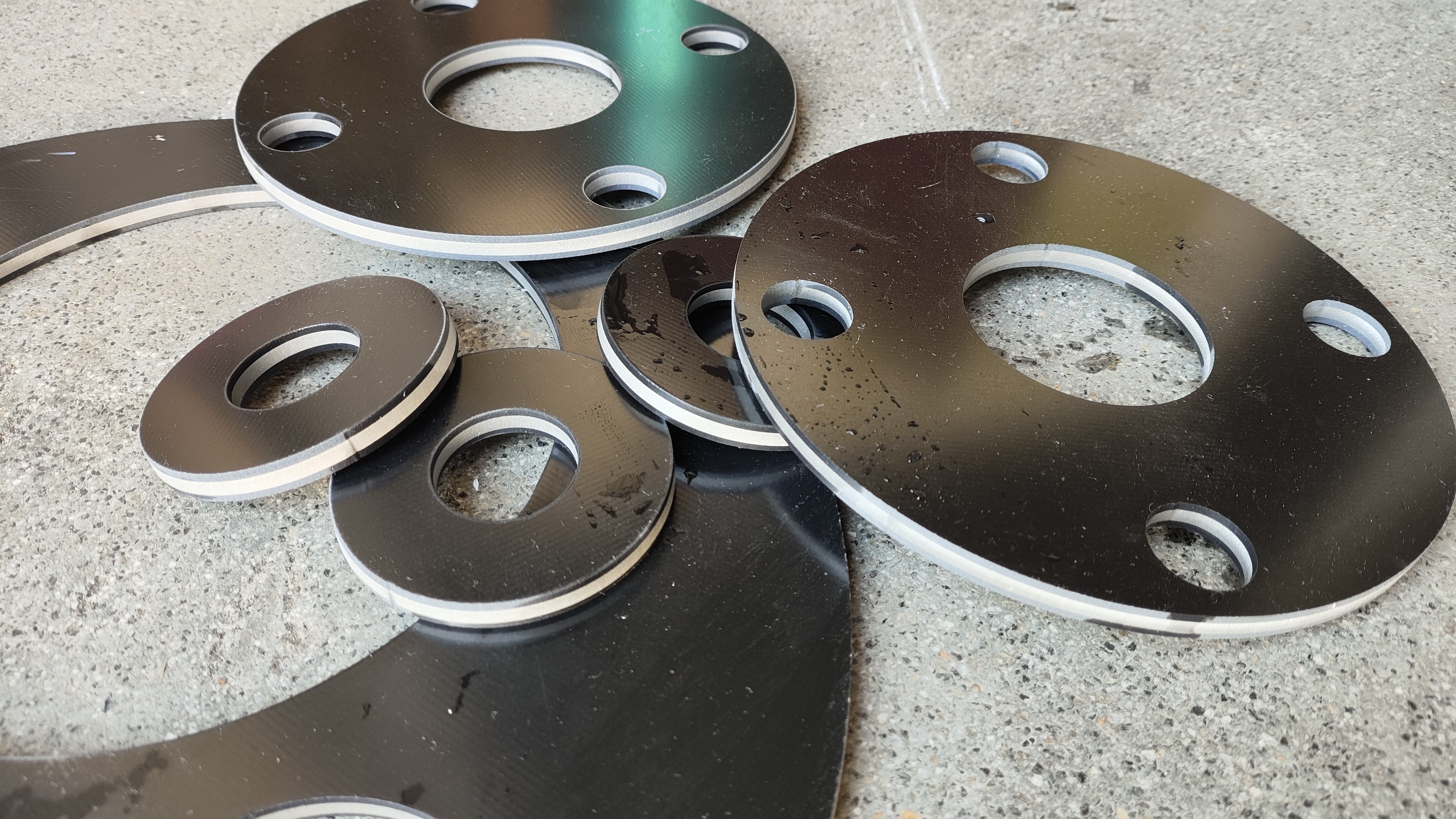
Figure 3: Sample of composite material cut using a cutting head with an integrated drilling function, demonstrating a clean edge without delamination.
Furthermore, Chinese suppliers have made advanced configurations more accessible. The development of Dynamic 5-axis and 3D MAX 5-axis cutting heads allows for complex 3D contour cutting and beveling, which was once the domain of only very high-end European or American systems. These heads, often equipped with laser scanning for real-time height tracking, enable precision cutting of formed parts, molds, and angled edges without dedicated fixtures.
Manufacturing rigor supports these innovations. YC Waterjet's production, for example, takes place in a 7,000㎡ facility and is backed by a Quality Management Systems Certification (ISO 9001:2015, Certificate 17324Q21401R0S). Their machines also carry CE certification (ICR/VC/HM2308122), verifying compliance with EU safety directives, which is a critical benchmark for global export and operational safety.
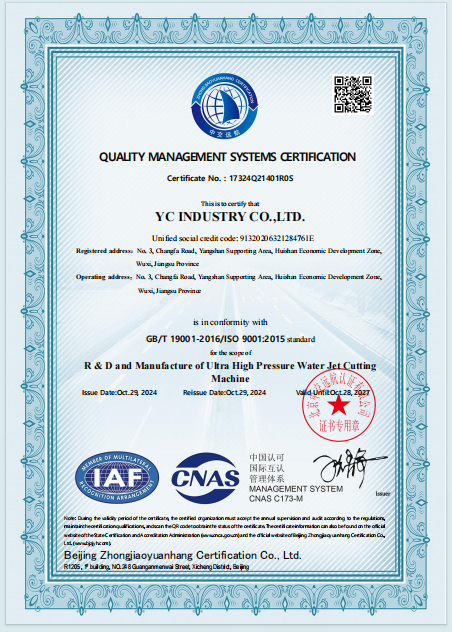
Figure 4: ISO 9001:2015 certification held by YC Waterjet, underscoring a standardized approach to quality management in manufacturing.
This combination of applied R&D to solve real cutting problems, the integration of advanced motion technology, and adherence to international quality standards positions technical Chinese suppliers as viable sources for high-performance, reliable CNC waterjet cutting systems for global industries from aerospace and automotive to architecture and composite molding.
Conclusion: A thorough evaluation of a CNC waterjet cutting machine requires looking beyond the specification sheet. Understanding how key parameters like pressure, accuracy, and speed translate to your specific material mix is the first step. The second is appreciating how manufacturing quality and process control determine the machine's ability to hold those specifications over years of service. Finally, recognizing the technical innovations offered by established global suppliers, including those from China, can reveal solutions that offer both performance and value, tailored to complex modern manufacturing challenges.
Have Questions or Need More Details?
Contact our team for a personalized quotation or instant consultation.
Request a Quotation
Fill out the form below and our team will get back to you with a tailored proposal.
WhatsApp Direct Chat
Prefer to chat in real-time? Message us on WhatsApp for instant assistance & quick answers.
- Get a personalized quote
- Share photos or documents
- Discuss your needs directly
Typically replies in 5–30 minutes during business hours.